
Vacuum Nitrogen Can Sealing Machines for Food Cans: What You Need to Know
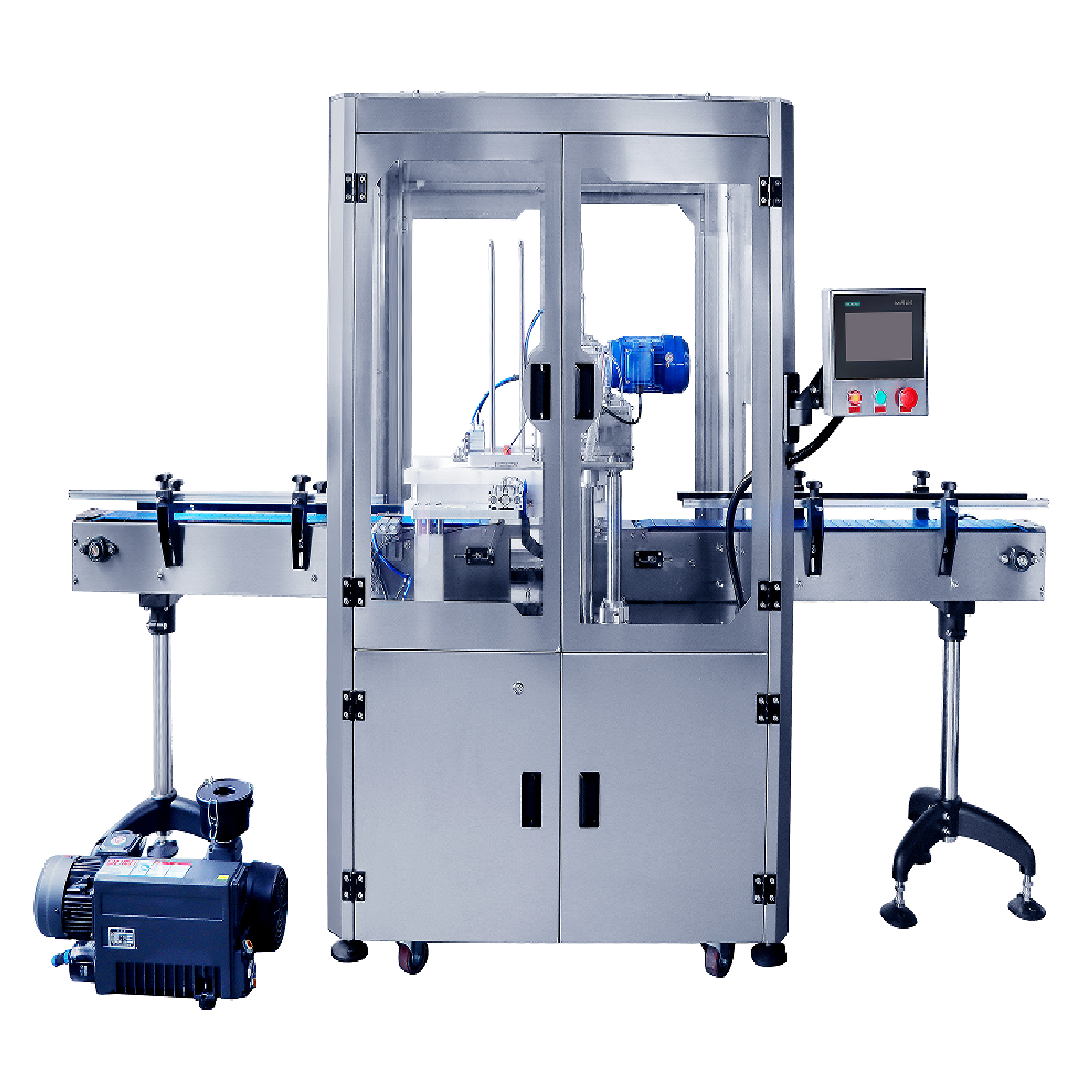
Vacuum Nitrogen Can Sealing Machines for Food Cans: What You Need to Know
As the food industry evolves, so do the demands for longer shelf life and superior product quality. For producers of delicate items like nuts, coffee, chips, and powdered goods, oxygen is the enemy. This is where advanced vacuum nitrogen can sealing machines come into play. These sophisticated systems do more than just close a can; they transform the internal environment to preserve freshness. If you are considering upgrading your packaging line, understanding the technology behind vacuum nitrogen can sealing machines is crucial. This equipment represents the pinnacle of protective packaging, offering a solution that standard seamers simply cannot match. Here is what you need to know about integrating nitrogen sealing technology into your food canning operation.
The Science of Atmosphere Modification
At its core, a vacuum nitrogen can sealing machine performs a dual function that goes far beyond mechanical seaming. The process begins inside a sealed chamber where air is evacuated from both the headspace of the can and the surrounding environment. This vacuum removal extracts oxygen, which is the primary catalyst for food spoilage and rancidity. However, for many products, simply pulling a vacuum is not enough, as the absence of pressure can crush delicate contents or prevent proper dispensing. This is where nitrogen flushing becomes essential. The vacuum nitrogen sealing machine introduces nitrogen gas—an inert atmosphere—back into the can before the final seal is made. This nitrogen blanket displaces any remaining oxygen and cushions the product. By using vacuum nitrogen can sealing machines, food manufacturers create a stable, non-reactive environment inside the can that dramatically slows down degradation.
Why Nitrogen is the Preferred Choice for Food Cans
You might wonder why nitrogen is the gas of choice for these can sealing machines. Unlike oxygen, nitrogen does not react with food components. It inhibits the growth of aerobic bacteria and prevents oxidation of fats and oils, which cause off-flavors. When you invest in vacuum nitrogen can sealing machines, you are investing in taste preservation. For example, roasted coffee beans release oils that quickly go stale when exposed to air. A can sealed with a nitrogen can sealing machine ensures that the first cup brewed months after packaging tastes as fresh as the day it was roasted. Furthermore, nitrogen provides structural rigidity to the can. In standard vacuum packing, the cans can collapse inward. However, with vacuum nitrogen sealing machines, the internal pressure created by the gas keeps the cans firm and stackable, protecting the product inside from physical damage during shipping.
Key Components of a High-Performance Nitrogen Sealer
Not all vacuum nitrogen can sealing machines are created equal, and understanding their critical components will help you make an informed purchase. The heart of the system is the vacuum pump and the gas delivery manifold. In a high-quality nitrogen sealing machine, these components work in perfect synchronization. The machine must achieve a deep, consistent vacuum level before the gas purge begins. If the vacuum cycle is too short on your can sealing machine, residual oxygen will remain, negating the benefits of the nitrogen flush. Look for vacuum nitrogen can sealing machines that offer adjustable dwell times and digital control over gas pressure. Additionally, the seaming assembly itself must be exceptionally precise, as the seam must hold back not just liquid and bacteria, but also the positive pressure of the nitrogen gas inside. A machine with robust seaming rolls and chucks is essential for maintaining that pressure over time.
Matching the Machine to Your Product Profile
Different food products have different requirements, and the right vacuum nitrogen can sealing machine for one item might be wrong for another. For solid products like nuts or candy, a standard nitrogen can sealing machine with a simple vacuum and gas flush cycle works well. However, for powders or finely ground materials, you need a machine with a controlled gas dispersion system to avoid blowing the product out of the can during the nitrogen purge. Similarly, for liquid products with particulates, such as soups with nitrogen-flushed noodles, the vacuum nitrogen sealing machine must have a very precise cycle to prevent boil-over during the vacuum phase. When consulting with suppliers, be specific about your product. The best vacuum nitrogen can sealing machines are those that are configured to match the unique physical characteristics of your food, ensuring that the atmosphere modification enhances, rather than disrupts, the packaging process.
Operational Considerations and Maintenance
Integrating vacuum nitrogen can sealing machines into your line requires attention to utility infrastructure. These machines require a reliable source of high-purity nitrogen gas, typically supplied via liquid nitrogen dewars or a nitrogen generator. You must also consider the ventilation in your facility; while nitrogen is inert and food-safe, it can displace oxygen in enclosed spaces. In terms of maintenance, the complexity of nitrogen can sealing machines means that preventive care is non-negotiable. The vacuum pump requires regular oil changes, and the gas delivery valves must be kept free of debris to ensure accurate purging. The seaming area should be cleaned just as diligently as on any standard can sealing machine, as food buildup can interfere with the delicate timing of the vacuum and gas cycles. By committing to a rigorous maintenance schedule, your vacuum nitrogen can sealing machines will provide years of reliable service, protecting your products and your brand reputation with every single can.