
Vacuum Can Closer Machine Maintenance Tips to Extend Its Lifespan
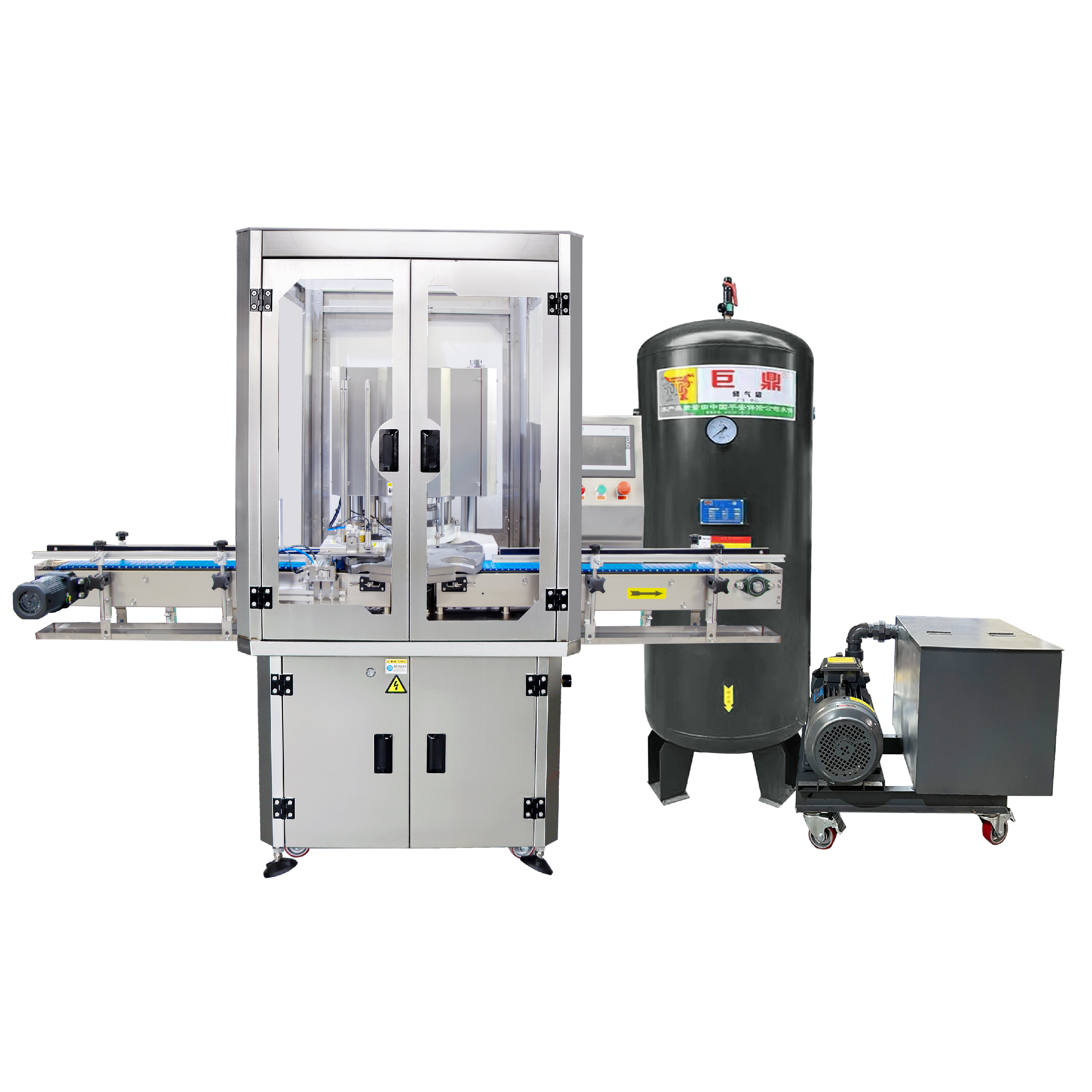
Essential Vacuum Can Closer Machine Maintenance Tips to Extend Its Lifespan
In the world of preserved foods and specialty beverages, the ability to create a hermetically sealed environment is paramount. The vacuum can closer machine is the specialized workhorse that makes this possible, extracting air from the can before sealing to ensure product freshness and prevent spoilage. Unlike standard seamers, a vacuum can closer machine operates under unique stresses, combining atmospheric control with mechanical seaming force. To protect this significant investment, a proactive maintenance strategy is essential. Neglecting the specific needs of your vacuum closing machine can lead to inconsistent vacuum levels, seam faults, and costly downtime. By implementing a few critical care routines, you can ensure your vacuum seamer delivers reliable performance for decades.
Daily Cleaning and Sanitation Protocols
The environment surrounding a vacuum can closer machine is often filled with product juices, brine, or syrup, which can be highly corrosive if left to accumulate. The most important daily habit is a thorough cleaning of the vacuum chamber and seaming area. After each production run, operators should remove all product debris from the closing machine using approved cleaning solutions and soft brushes. Pay particular attention to the vacuum pick-up pads and the area around the seaming rolls. If these components become caked with dried product, the vacuum seamer may struggle to achieve the proper seal or maintain the required negative pressure. A clean vacuum can closer machine is not just a sanitary requirement; it is the first line of defense against mechanical wear and corrosion that shortens equipment life.
The Critical Role of Lubrication
A vacuum can closer machine contains a complex array of moving parts that operate under high friction and pressure. Proper lubrication is the lifeblood of this equipment. However, it is not as simple as applying grease anywhere it fits. You must use food-grade lubricants that are compatible with the vacuum environment. The seaming rolls, which roll against the metal to form the seam, require precise, regular lubrication to prevent galling and wear. Additionally, the sliding components within the vacuum chamber that move the can into place need attention. A well-lubricated closing machine runs smoother, requires less energy, and experiences significantly less parts degradation. Create a lubrication schedule based on the manufacturer's specifications for your specific vacuum seamer, and ensure your maintenance team adheres to it religiously.
Monitoring Vacuum System Integrity
The defining feature of a vacuum can closer machine is its ability to create and hold a vacuum during the seaming cycle. If this system fails, your product shelf life plummets. Regularly inspect all vacuum lines, hoses, and fittings for cracks or loose connections. A small air leak in the system can prevent the vacuum closing machine from pulling a deep enough vacuum, leading to headspace oxygen that spoils the product. Furthermore, pay close attention to the vacuum pump oil. The pump is the heart of your vacuum seamer, and dirty or low oil will cause it to work harder and fail prematurely. Change the pump oil at the intervals recommended by the manufacturer, and consider installing an inlet filter to prevent product particles from contaminating the pump oil in your closing machine.
Seaming Roll and Chuck Inspection
While the vacuum system is unique to this type of can closer machine, the seaming assembly shares traits with standard seamers but operates under the added complexity of internal pressure changes. The seaming rolls and chucks on a vacuum can closer machine are subjected to the same physical forces as other seamers, but they must also maintain a seal while the air is evacuated. Inspect the rolls weekly for signs of wear, such as pitting, flat spots, or a change in their profile. Worn rolls will not produce a tight seam, allowing air to re-enter the can after it leaves the vacuum chamber. Similarly, check the seaming chucks for wear. If the chuck does not hold the can end perfectly centered during the vacuum seamer cycle, the resulting seam will be malformed. Replacing these parts at the first sign of wear is far more economical than dealing with a full-scale production halt later.
Calibration and Timing Adjustments
A vacuum can closer machine operates on a precise sequence of events: the chamber lowers, the vacuum pulls, the gas flush (if used) occurs, and finally, the seaming rolls engage. If the timing of these events is off, the machine cannot function correctly. Regularly verify the timing cams and micro-switches that control the closing machine cycle. As belts stretch and components wear, the timing can drift. An improperly timed vacuum seamer might start seaming before the full vacuum is achieved, trapping air inside the can. Work with a trained technician annually to perform a full timing calibration on your vacuum can closer machine. This ensures that every cycle is optimized for maximum vacuum and seam integrity, protecting your product and extending the functional life of the machine's drive components.