
Top Benefits of Upgrading to an Automatic Can Crimper Machine
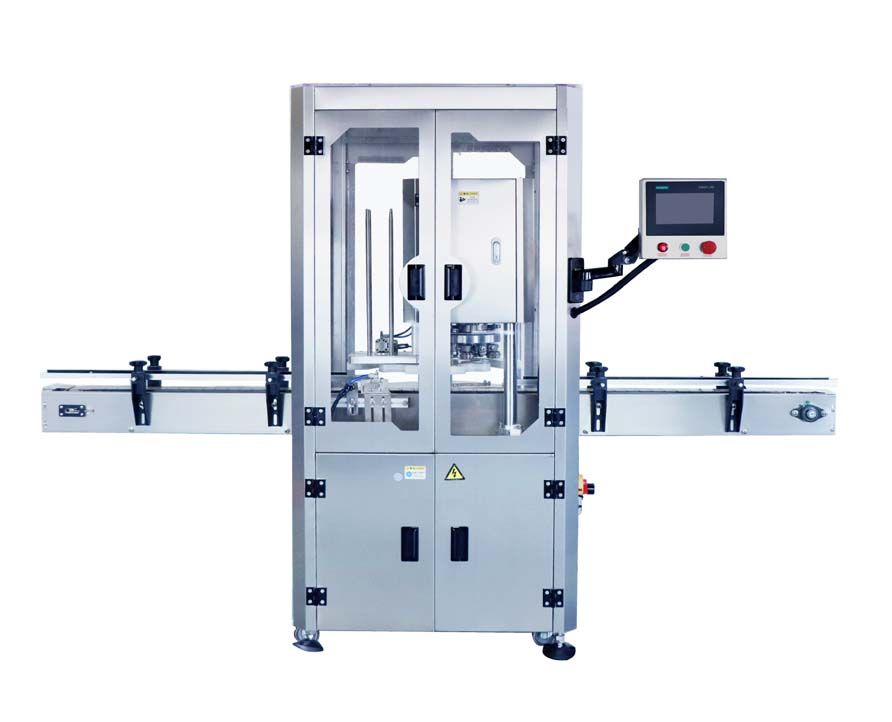
Top Benefits of Upgrading to an Automatic Can Crimper Machine
In the evolving landscape of packaging, efficiency is the currency of success. For businesses that have relied on manual or semi-automatic equipment, the question is not if they should upgrade, but when. The transition to an automatic can crimper machine represents a pivotal moment for any production facility. This equipment, which forms the critical seal on your cans, directly influences your output speed, labor costs, and product quality. While the initial investment in a new crimper might seem substantial, the long-term operational and financial benefits are undeniable. Upgrading your can crimper machine is more than a purchase; it is a strategic move toward scalability and market competitiveness. Let's explore the transformative advantages of integrating modern automatic crimping technology into your line.
Dramatic Increases in Production Throughput
The most immediate and impactful benefit of an automatic can crimper machine is the sheer speed at which it operates. Manual crimping machines require an operator to load, position, and activate the cycle for every single can, creating a bottleneck that limits overall output. In contrast, an automatic can crimper machine integrates seamlessly with your filler and conveyor system, handling hundreds of cans per minute without human intervention. This continuous flow eliminates the start-stop nature of manual operations. By automating the crimping process, you unlock the true potential of your production line, allowing you to fulfill larger orders and take on contract packaging work that was previously impossible due to volume constraints. The right automatic crimper turns your line into a high-speed packaging powerhouse.
Unwavering Consistency and Defect Reduction
Human error is an unavoidable factor in manual operations. When relying on hand-fed crimping machines, the quality of the seal can vary depending on the operator's fatigue, skill level, and attention to detail. An automatic can crimper machine removes this variability. These machines are engineered to apply the same amount of pressure and execute the same mechanical motion with every single cycle. This precision ensures that every can leaving your facility meets the exact same specifications. For a crimper handling thousands of units a day, this consistency is vital. It dramatically reduces the occurrence of leakers, false seams, and other defects that lead to customer complaints and product waste. Upgrading to an automated crimping machine means you are no longer hoping for a good seal; you are engineering it.
Significant Labor Optimization and Safety
Labor costs and availability are persistent challenges in the manufacturing sector. A manual can crimper machine typically requires one dedicated operator to manage the crimping station. If your line runs multiple shifts, that translates to multiple salaries for a single task. An automatic can crimper machine drastically reduces this need. One operator can oversee multiple automated crimpers or manage the entire line, as the machine handles the heavy lifting. This reallocation of human resources allows you to move skilled workers to more critical areas like quality assurance or maintenance. Furthermore, automating the crimping process enhances workplace safety. It minimizes the risk of repetitive strain injuries associated with manual crimping machines and removes the operator's hands from the immediate vicinity of the moving parts, creating a safer, more compliant production floor.
Enhanced Flexibility for Diverse Packaging Needs
Modern markets demand variety. A successful brand might need to switch between different can sizes or product types frequently. Older, manual crimping machines often make this a time-consuming nightmare involving tools and lengthy adjustments. Today's advanced automatic can crimper machine is built with flexibility in mind. Many models feature programmable logic controllers (PLCs) that store recipes for different can dimensions. When a changeover is required, operators can simply select a new profile on the HMI, and the automatic crimper adjusts its parameters accordingly. Some high-end crimping machines even offer servo-driven quick-change change parts that can be swapped in minutes. This adaptability means your production line can remain agile, responding to customer demands without sacrificing days of production time to retool your crimper.
Lower Long-Term Maintenance Costs
It may seem counterintuitive, but a well-built automatic can crimper machine often costs less to maintain over its lifetime than a fleet of older manual units. Manual crimping machines, while simpler, are still subject to wear and tear. Moreover, because automated crimpers are designed for continuous high-speed operation, they are typically built with heavy-duty components like hardened steel gears and sealed bearings that withstand industrial use. These machines also feature automatic lubrication systems that ensure critical parts are always protected, reducing friction-related wear. By upgrading to a modern automatic crimper, you consolidate your maintenance efforts onto a single, robust platform rather than juggling repairs across multiple older units, ultimately lowering your total cost of ownership and protecting your bottom line.