
How to Avoid Leaks & Defects with the Right Can Sealer
How to Avoid Leaks & Defects with the Right Can Sealer
In the competitive landscape of packaged goods, the seal on your can is the final handshake between your brand and the consumer. If that handshake is weak, the consequences are immediate: spoiled product, customer complaints, and costly recalls. The primary defense against these disasters is investing in the right can sealer. However, simply owning a sealing machine is not enough; you must understand how the right features and maintenance routines directly prevent leaks and defects. Whether you are running a high-speed line or a small batch operation, the integrity of your package depends on the precision of your can sealer. This guide explores how selecting and operating the correct sealer can safeguard your product from the moment the lid is applied.
Understanding Seam Specifications and Your Can Sealer
Leaks rarely happen by accident; they are almost always the result of a can sealer that is not properly set up for the specific container being used. Every can and end combination requires a precise seam specification, measured by parameters like seam thickness, seam height, and body hook length. A high-quality can sealer allows operators to achieve these specs consistently. If your sealing machine cannot hold tight tolerances, it will produce seams that are either too loose (causing leaks) or too tight (damaging the lid material). The right can sealer provides the mechanical stability and adjustability needed to dial in these critical measurements. By regularly using a seam saw to check your results, you can verify that your sealer is performing within the acceptable range, catching potential defects before they reach the warehouse.
The Role of Change Parts in Your Sealing Machine's Accuracy
One of the most overlooked aspects of leak prevention is the condition of the change parts on your can sealer. The seaming rolls, chucks, and base plates are the components that physically shape the seam. Over time, even the best sealing machine will experience wear on these parts. If you are running a multi-product facility, using the wrong change parts for a specific can size on your sealer is a guaranteed path to defects. Ensuring that your can sealer is equipped with the correct, undamaged tooling for each run is non-negotiable. A worn seaming roll on your closing machine will fail to interlock the metal properly, creating micro-channels that allow air and bacteria to enter. By inspecting and replacing these parts regularly, your can sealer can maintain the forming pressure needed for a hermetic seal.
Implementing Real-Time Monitoring on Your Can Sealer
Modern leak prevention relies on data, not guesswork. Advanced can sealer models now come equipped with sensors that monitor the seaming process in real-time. These systems on a sealing machine can detect variations in pressure or position that indicate an impending defect. If a can enters the can sealer slightly out of spec, the machine can alert the operator or even reject the faulty container automatically. This technology transforms your sealer from a passive tool into an active quality control station. For operations where product safety is paramount, such as low-acid canned foods, this level of monitoring on your can sealer provides an audit trail and peace of mind. It ensures that if a leak does occur, it is contained to a single unit rather than an entire production batch, proving that the right sealing machine is an investment in brand reputation.
Mastering the Vacuum or Gas Flush Cycle
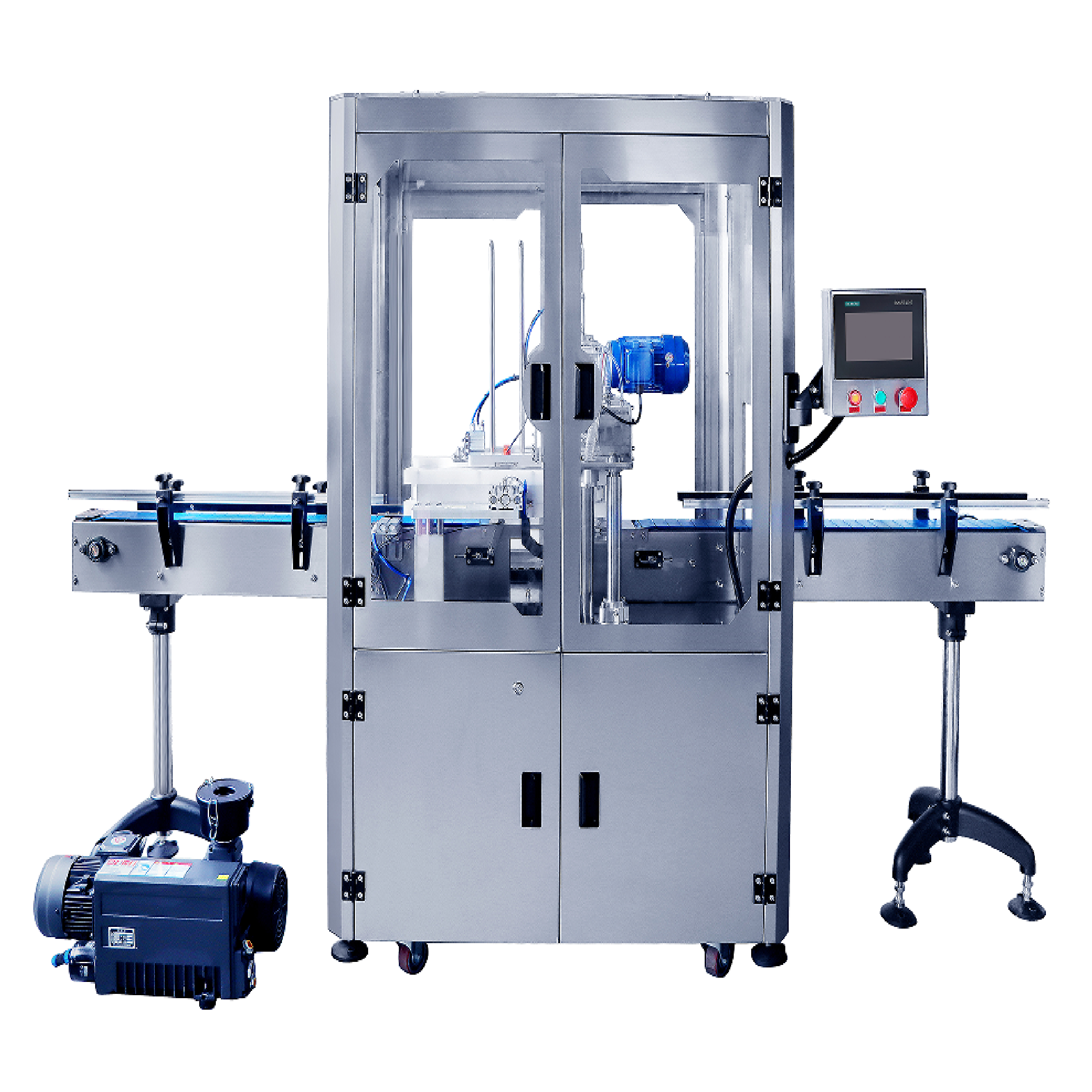
For many products, a simple mechanical seal is not enough; the atmosphere inside the can must be controlled to prevent oxidation. This is where a specialized can sealer with vacuum or gas flushing capabilities becomes essential. Leaks are not always about liquid escaping; they can also involve gas entering the package. If your sealing machine is designed for vacuum packing but fails to reach the correct negative pressure, the resulting seal will be weak. Similarly, if a can sealer performs a nitrogen flush but introduces too much oxygen due to a faulty cycle, the product will degrade. The right can sealer ensures that the atmospheric control cycle is perfectly synchronized with the mechanical seaming cycle. This dual action—creating the right internal environment and then sealing it instantly—is what prevents the "silent" defects that ruin product quality before the can ever leaves the line.
Training Operators on Your Specific Can Sealer
Finally, the most sophisticated can sealer in the world is useless if the operators do not understand it. Human error remains a leading cause of packaging defects. When you invest in a new sealing machine, invest equally in training. Operators must know how to identify the subtle sounds of a misaligned can sealer or the visual cues of a poor seam. They need to understand the specific lubrication and cleaning needs of their sealer to prevent buildup that can cause misfeeds. By empowering your team with knowledge about the closing machine, you create a culture of quality. They become the first line of defense, ensuring that the can sealer operates at peak performance and that every can rolling off the line is a perfect representation of your brand's commitment to quality.