
How a Can Seamer Works & Why It Matters for Your Production Line
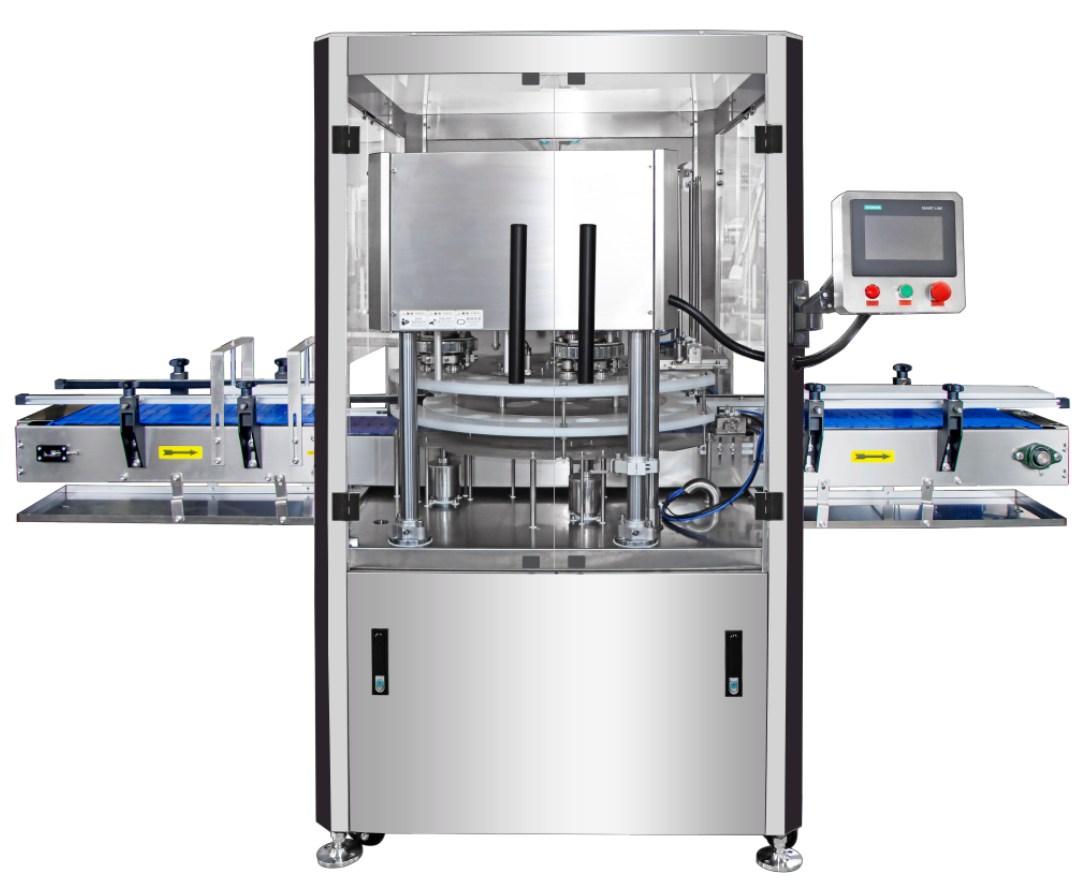
The Core Mechanics Behind How a Can Seamer Operates
At the heart of any efficient packaging operation that uses cans, the Can Seamer is a precision tool designed to create airtight, secure seals that protect products, extend shelf life, and ensure consumer safety. While many production managers rely on acan seamer daily, few fully understand the intricate mechanics that make consistent, reliable sealing possible. Unlike simple packaging tools, a high-quality Can Seamer combines mechanical precision with careful engineering to transform open cans and lids into sealed, shelf-ready products— a process that看似 straightforward but requires careful synchronization of multiple components.
The operation of a Can Seamer begins with the preparation of the can and lid: the can is filled with the product (whether food, beverage, or industrial goods) and positioned under the seaming head, while the lid is aligned perfectly on top of the can’s rim. Once in place, the can seamer activates two key components: the seaming roller and the chuck. The chuck holds the can securely in place, preventing movement during the sealing process, while the seaming roller applies controlled pressure to the lid and can rim. This pressure bends the lid’s edge around the can’s rim, creating a tight, leak-proof seal that locks in freshness and prevents contamination. Every step of this process is calibrated to ensure consistency—even the smallest misalignment or pressure variation can compromise the seal, making the Can Seamer’s precision non-negotiable for quality production.
Why a Reliable Can Seamer Is Non-Negotiable for Your Production Line
A high-performing Can Seamer is more than just a piece of equipment—it’s a cornerstone of your production line’s efficiency, quality, and profitability. Without a reliable can seamer, you risk costly errors, product waste, and damage to your brand reputation. For example, a poorly functioning Can Seamer can produce cans with weak or incomplete seals, leading to product spoilage, leaks, or contamination. This not only wastes valuable resources but also exposes your business to liability if defective products reach consumers. In contrast, a well-maintained can seamer ensures that every can leaving your facility meets industry standards, reducing waste and building trust with customers and retailers alike.
Beyond quality control, a efficient Can Seamer directly impacts your production line’s speed and throughput. A slow or unreliablecan seamer can create bottlenecks, slowing down the entire packaging process and limiting your ability to meet customer demand. Whether you operate a small craft facility or a large-scale manufacturing plant, the Can Seamer’s performance directly correlates to your operational efficiency—investing in a high-quality can seamer that aligns with your production volume ensures that you can keep up with demand without sacrificing quality. Additionally, a durable Can Seamer reduces downtime due to repairs, minimizing lost productivity and keeping your production line running smoothly.
Tips to Optimize Your Can Seamer for Long-Term Performance
To get the most out of your Can Seamer and ensure it continues to support your production line effectively, proper maintenance and operation are key. Even the best can seamer will underperform if not cared for correctly, so establishing a regular maintenance routine is essential. This includes cleaning the seaming heads and rollers to remove debris that can cause misalignment, lubricating moving parts to prevent wear and tear, and inspecting components for signs of damage or wear. Regular calibration of your Can Seamer is also critical—over time, components can shift, leading to inconsistent seals, so periodic adjustments will help maintain precision and reliability.
Another way to optimize your Can Seamer is to train your team on proper operation. Even the most advancedcan seamer relies on skilled operators to monitor performance, identify potential issues, and make adjustments as needed. Training your staff to recognize signs of a malfunctioning Can Seamer—such as uneven seals, jams, or unusual noises—can help prevent costly downtime and extend the machine’s lifespan. Additionally, choosing the right can seamer for your specific needs—whether semi-auto or automatic—ensures that the machine is well-suited to your production volume and product type, maximizing efficiency and minimizing unnecessary strain on the equipment.