
Everything You Need to Know Before Buying a Can Seaming Machine
Everything You Need to Know Before Buying a Can Seaming Machine
Investing in a new can seaming machine is one of the most significant capital decisions a packaging business can make. Whether you are a startup looking to launch your first product or an established manufacturer replacing outdated equipment, the seamer you choose will dictate your production capacity, product quality, and operational efficiency for years to come. However, navigating the market for a seaming machine can be overwhelming, with a vast array of speeds, sizes, and technological capabilities available. To ensure you make a choice that aligns with your long-term goals, it is essential to look beyond the price tag and understand the critical factors that define a reliable can seamer. Here is everything you need to know before making that pivotal purchase.
Assessing Your Production Volume and Speed Requirements
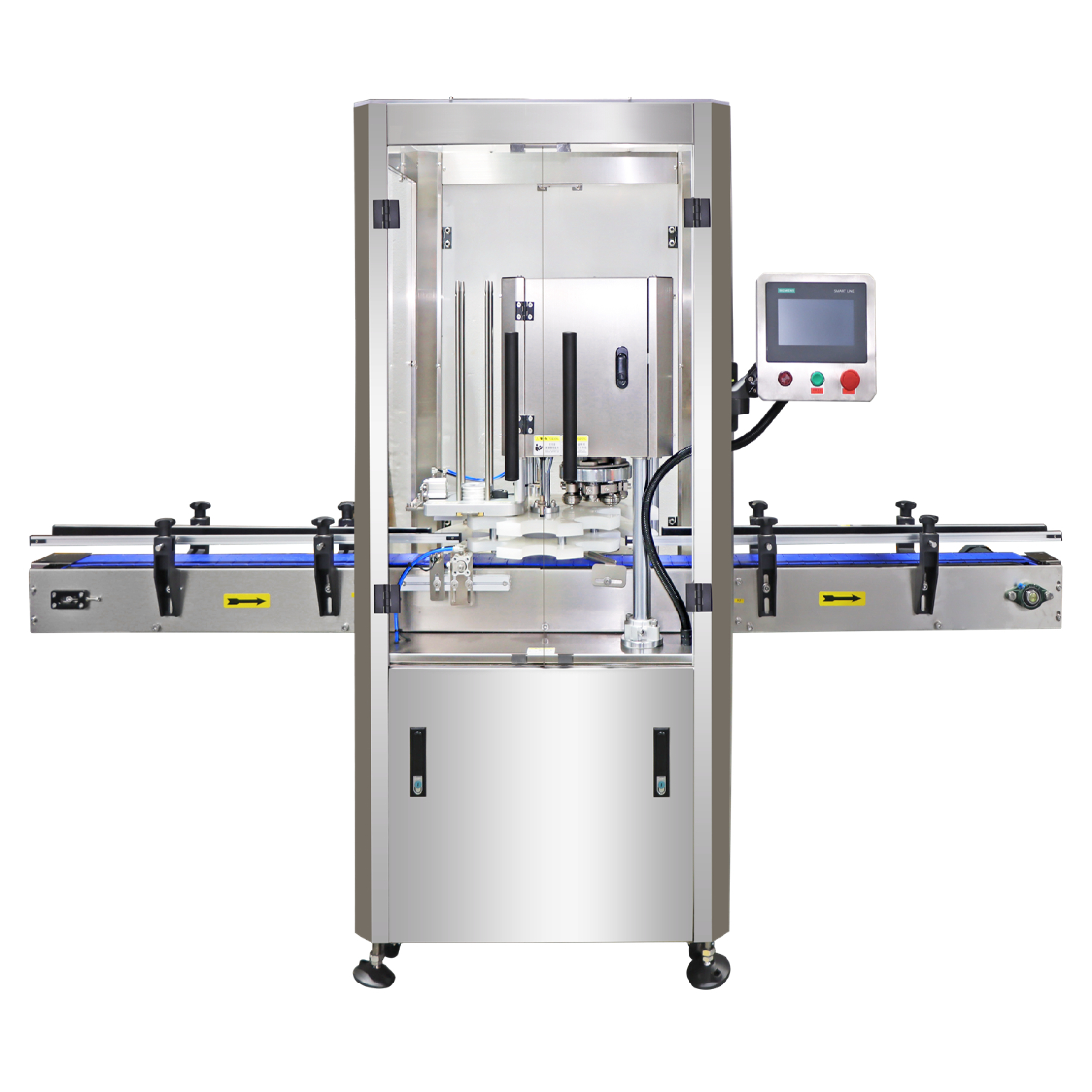
Before you even begin browsing suppliers, you must have a crystal-clear understanding of your output needs. The relationship between your production volume and the speed of your seaming machine is the foundation of your investment. For small craft producers or R&D labs, a semi-automatic can seamer might be the perfect fit. These machines require an operator to manually initiate the cycle but offer flexibility and a lower entry cost. However, if you are scaling up for mass distribution, a fully automatic seaming machine is non-negotiable. These high-speed seamers integrate directly with your filler and conveyor system, handling hundreds of cans per minute without human intervention. Choosing a seamer that is too slow will create a bottleneck in your line, while over-investing in speed you cannot utilize ties up capital unnecessarily. Match the closing machine to your realistic five-year growth plan.
Evaluating Machine Construction and Material Quality
The build quality of a can seaming machine directly correlates with its lifespan and maintenance requirements. A seamer is subjected to constant vibration, moisture, and the physical stress of forming metal seams. Therefore, you should prioritize machines constructed from heavy-duty, corrosion-resistant materials like stainless steel. This is particularly important for the frame and the base plates, which must remain perfectly rigid to ensure consistent seam quality. When inspecting a potential seaming machine, pay close attention to the seaming rolls and chucks. These are the components that do the actual work of forming the seam. In a high-quality can seamer, these parts are precision-machined from hardened tool steel. If these components are flimsy or poorly finished on the seaming machine, you will struggle with inconsistent seams and premature wear, leading to frequent and costly replacements.
Understanding Change Part Requirements and Flexibility
Very few production lines run only one can size forever. If you anticipate needing to switch between different can diameters or heights, the flexibility of your can seaming machine becomes a top priority. Every time you change can sizes, you must also change the specific tooling—known as change parts—on the seamer. This includes the seaming chucks, rolls, and the base plate. Some older or entry-level seaming machines require hours of labor and specialized tools to perform a changeover. In contrast, modern can seamers are designed with quick-change features that allow operators to swap parts in minutes, often without tools. When budgeting for your new seamer, remember to factor in the cost of these additional change part kits. A versatile seaming machine that can adapt to different packages will keep your production line agile and responsive to market trends.
The Importance of After-Sales Support and Spare Parts
Perhaps the most overlooked aspect of purchasing a can seaming machine is the support network behind it. A seamer is a precision instrument with many moving parts that will eventually require service. Before signing the purchase order, investigate the manufacturer's reputation for customer service. Where are they located? Do they have local distributors or technicians who can come on-site for repairs? How quickly can they ship critical spare parts like seaming rolls or drive belts? A seaming machine is only valuable when it is running. If your can seamer goes down and you have to wait weeks for a replacement part from overseas, the lost production will far exceed any savings you made on the initial purchase price. Choose a supplier who views the sale as the beginning of a partnership, not the end of a transaction, ensuring your closing machine remains operational.
Analyzing Control Systems and Automation Features
Finally, consider the technological sophistication of the seaming machine's control system. In the past, can seamers were purely mechanical devices. Today, the best seaming machines are equipped with Programmable Logic Controllers (PLCs) and user-friendly touchscreens. These systems allow you to store recipes for different products, monitor seam quality in real-time, and receive alerts when maintenance is due. A can seamer with advanced servo drives offers greater control over the seaming process than traditional mechanical linkages, resulting in a more consistent seal. While a basic seamer might get the job done, investing in a machine with modern automation simplifies operation, reduces the skill level required from your staff, and provides valuable data that can help you optimize your entire packaging line.