
5 Key Features to Look for in a High-Quality Can Closing Machine
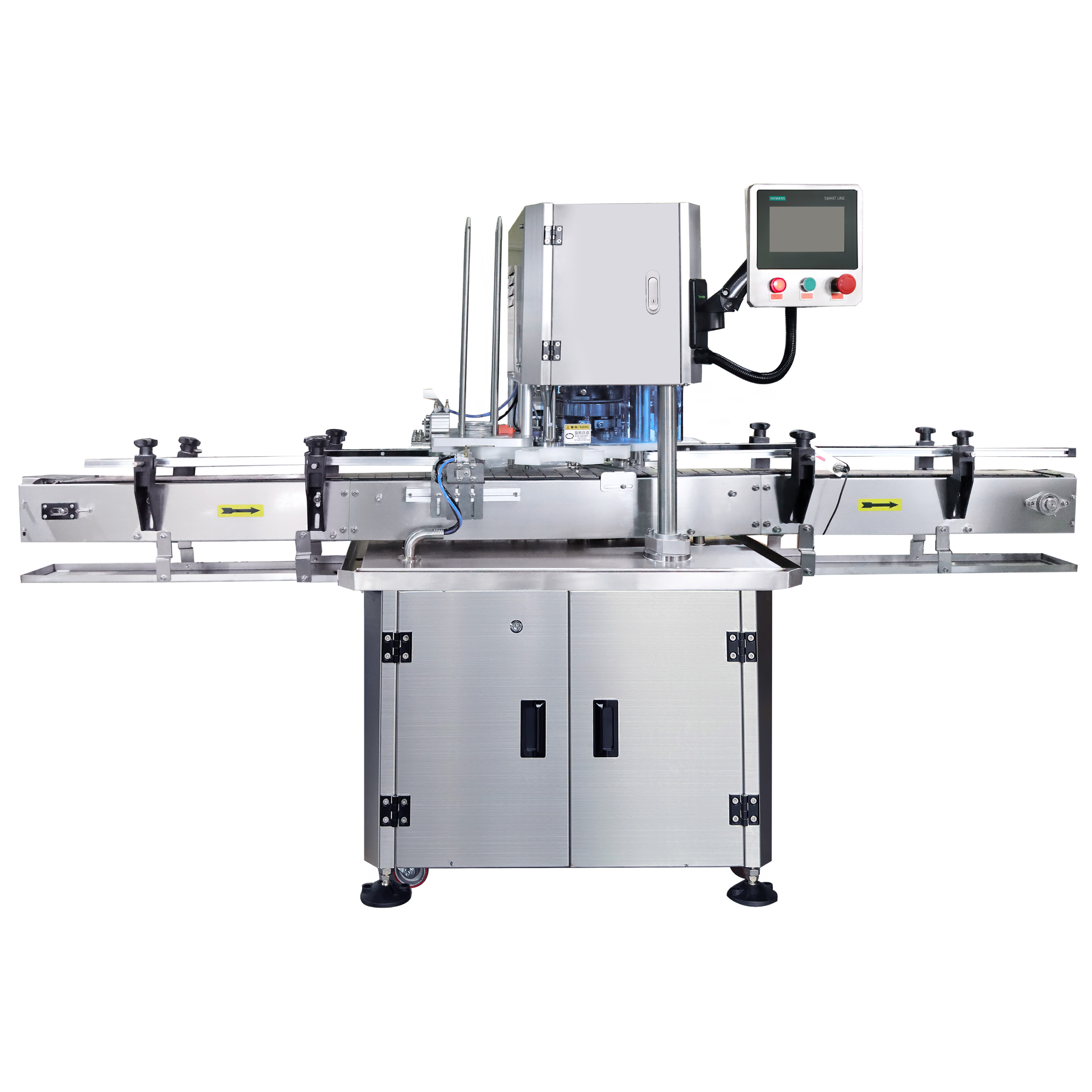
Investing in a new can closing machine is a significant decision that impacts the efficiency, safety, and profitability of your packaging line. Whether you are a startup looking for your first seamer or an established facility upgrading for higher throughput, the market offers a wide array of options. However, not all equipment is created equal. A superior can closing machine is defined by its ability to deliver consistent results under pressure while minimizing downtime. To ensure you are making a wise capital investment, it is crucial to look beyond the surface and evaluate the specific engineering traits that separate entry-level models from industrial-grade workhorses. Understanding these five key features will guide you toward a closing machine that serves your business for years to come.
Precision Engineering and Build Quality
The foundation of any reliable can closing machine is the quality of its construction. A high-end closing machine is typically built from food-grade stainless steel to withstand the harsh, wet environment of a cannery. This material choice is not merely about aesthetics; it resists corrosion from acidic products and aggressive wash-down routines, ensuring the longevity of your can seamer. When inspecting a potential purchase, pay close attention to the seaming rolls and chucks. These components are the heart of the can closing machine, responsible for forming the airtight seal. In a quality unit, these parts are manufactured from hardened tool steel and precision-ground to exact specifications. This level of detail ensures that every can produced meets the same rigorous standard, preventing leakers and spoilage that can result from a poorly adjusted or worn-out seaming machine.
Advanced Control and Automation Features
In the modern production landscape, a manual can closing machine often gives way to automated solutions that offer greater consistency and data collection. Look for a closing machine equipped with a Programmable Logic Controller (PLC) and a user-friendly Human-Machine Interface (HMI). This technology allows operators to store recipes for different can sizes and products, reducing changeover time and human error. A sophisticated can seamer will also feature servo-driven mechanisms rather than purely mechanical drives. Servo control allows for precise adjustments to seaming parameters on the fly, ensuring optimal seam quality even if there are minor variations in can or end dimensions. This level of automation in your can closing machine transforms it from a simple tool into a smart asset that actively protects product integrity.
Flexibility and Quick Changeover Capabilities
Market demands fluctuate, and a successful packaging line must be agile. A high-quality can closing machine is designed with flexibility in mind. If your production schedule requires switching between different can diameters or heights, the speed at which you can perform a changeover directly impacts your overall equipment effectiveness. Modern closing machines often feature tool-less or quick-change change parts. This means that the seaming chucks, rolls, and base plates can be swapped out in minutes rather than hours. A versatile can seamer allows a craft producer to run multiple product lines (e.g., soda, beer, and sparkling water) without investing in separate dedicated lines. When evaluating a closing machine, consider not only your current needs but also the future product diversification that a flexible seaming machine can accommodate.
Integrated Safety and Sanitary Design
Worker safety and product sanitation are paramount in the food and beverage industry. A top-tier can closing machine incorporates safety interlocks and guarding that protect operators without hindering visibility or access during normal operation. Beyond safety, the sanitary design of the equipment is critical. Look for a closing machine with a minimal number of horizontal surfaces and ledges where water or product residue can accumulate. Features like sloped frames and open architecture allow for effective drainage during Clean-in-Place (CIP) procedures. A well-designed can seamer prevents bacterial harborage points, ensuring that your closing machine contributes to a hygienic environment rather than detracting from it. This attention to sanitary design is a hallmark of a seaming machine built for regulated industries.
Comprehensive Support and Availability of Parts
Finally, the quality of a can closing machine is also defined by the support network behind it. Even the most robust machinery requires occasional maintenance and replacement parts. Before finalizing a purchase, investigate the manufacturer’s reputation for customer service and the local availability of spare parts. A closing machine that requires weeks of waiting for a simple seaming roll is a liability. The best manufacturers stock critical components like seaming chucks, rolls, and lifters and offer them as off-the-shelf items. Additionally, consider the availability of technical documentation and training. A high-quality can seamer is an investment, and the value of that investment is maximized when you have a partner who ensures your closing machine remains operational, protecting your production schedule and your bottom line.